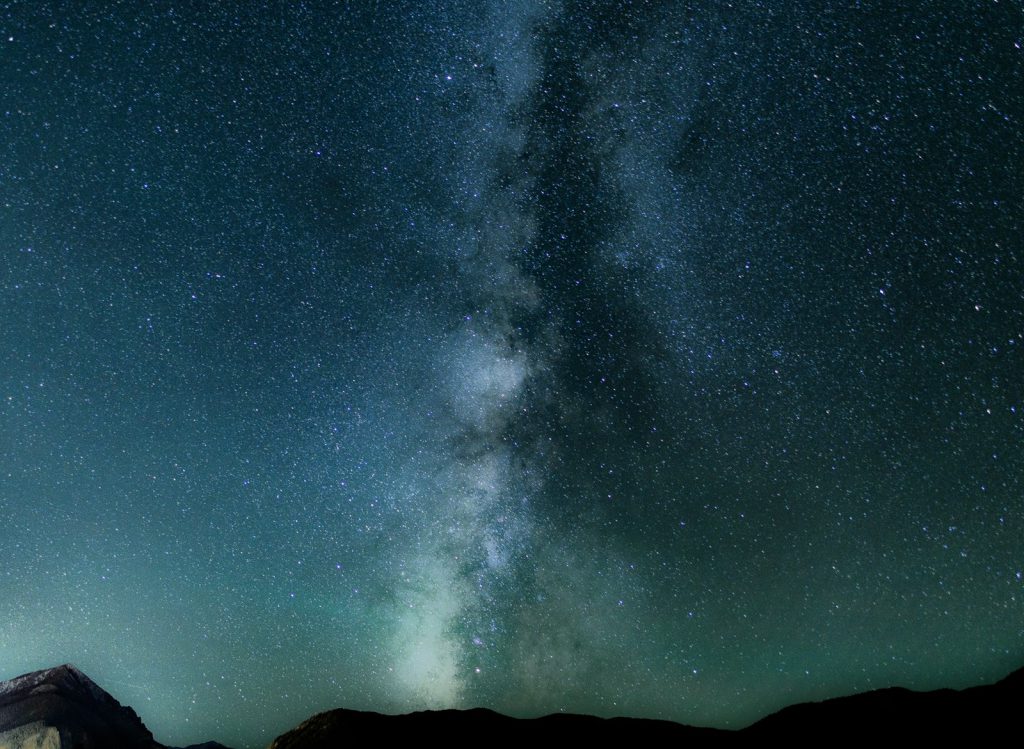
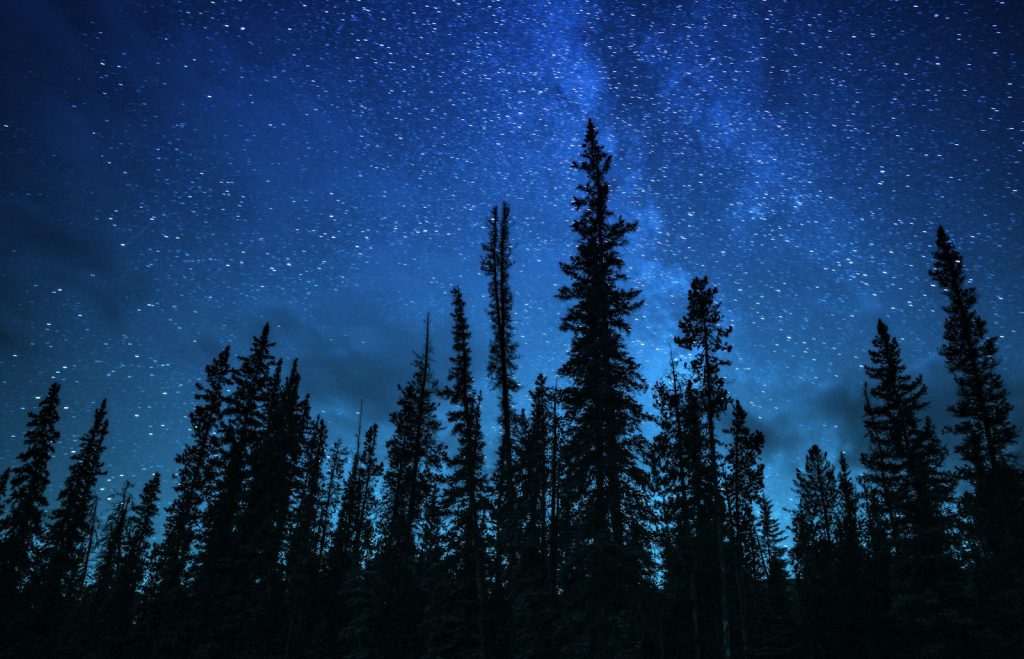
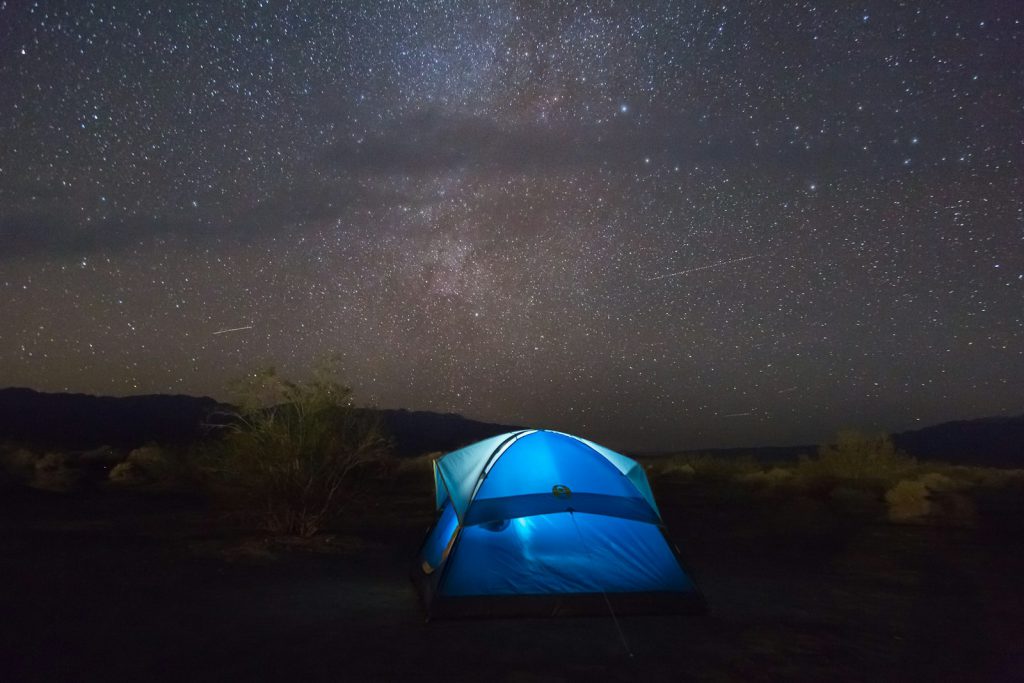
Most people alive today have never seen the Milky Way from where they live. City light washes it out, along with all but the brightest stars. To see it you have to go somewhere dark, and wait.
The waiting matters. Your eyes need around twenty minutes in darkness to adjust fully, and a single glance at a bright phone screen resets the clock. Use a torch with a red light, which disturbs your night vision far less.
Then look up. The band of the Milky Way appears first as a pale cloud, then as a river of faint stars with dark lanes of dust running through it. Satellites slide across it in straight lines; meteors flash and vanish.
Choose a night without a moon, check the forecast for clear skies, and bring more layers than seems sensible. It is always colder at two in the morning than you expect.

















Twenty minutes for your eyes to adjust is the tip nobody tells you. Made all the difference for me.
Red light torches! Learned that one the hard way.
Beautiful photos. Which month was this?
Grace, late summer, on a moonless night. The Milky Way is highest in the evening then.